Serving McKinney & Collin County, TX
McKinney hail damage needs roof proof fast
Spring hail claims move on evidence, so schedule a free storm damage inspection before granule loss and impact marks fade.
Serving McKinney & Collin County, TX
Spring hail claims move on evidence, so schedule a free storm damage inspection before granule loss and impact marks fade.
McKinney sits in one of the most active hail corridors in North Texas. Warm Gulf moisture and colder air from the west meet over Collin County each spring, with April through June bringing the highest risk for damaging hail. A roof can look fine from the street and still have bruised shingles, loosened granules, dented vents, and gutter damage that shorten its service life.
The city's rapid growth matters. Many McKinney homes were built between 2000 and 2020 with architectural shingles that handle normal weather well but show bruising and granule displacement after repeated hail impacts. If the roof has already taken a few North Texas storms, one hard spring event can push it from weathered to claim-worthy.
Insurance carriers do not approve hail roof replacement because a neighbor got a new roof. They approve claims when a documented storm date, impact pattern, shingle condition, metal damage, and adjuster findings support the loss. McKinney homeowners also need to watch the Texas wind and hail claim deadline. Under Texas law, homeowners have 1 year from the date of damage to file a hail claim.
McKinney Hail Roof Replacement connects property owners with licensed contractors who can inspect the roof, document hail hits, meet the adjuster, review the carrier estimate, and replace the roof with materials suited for Collin County weather.
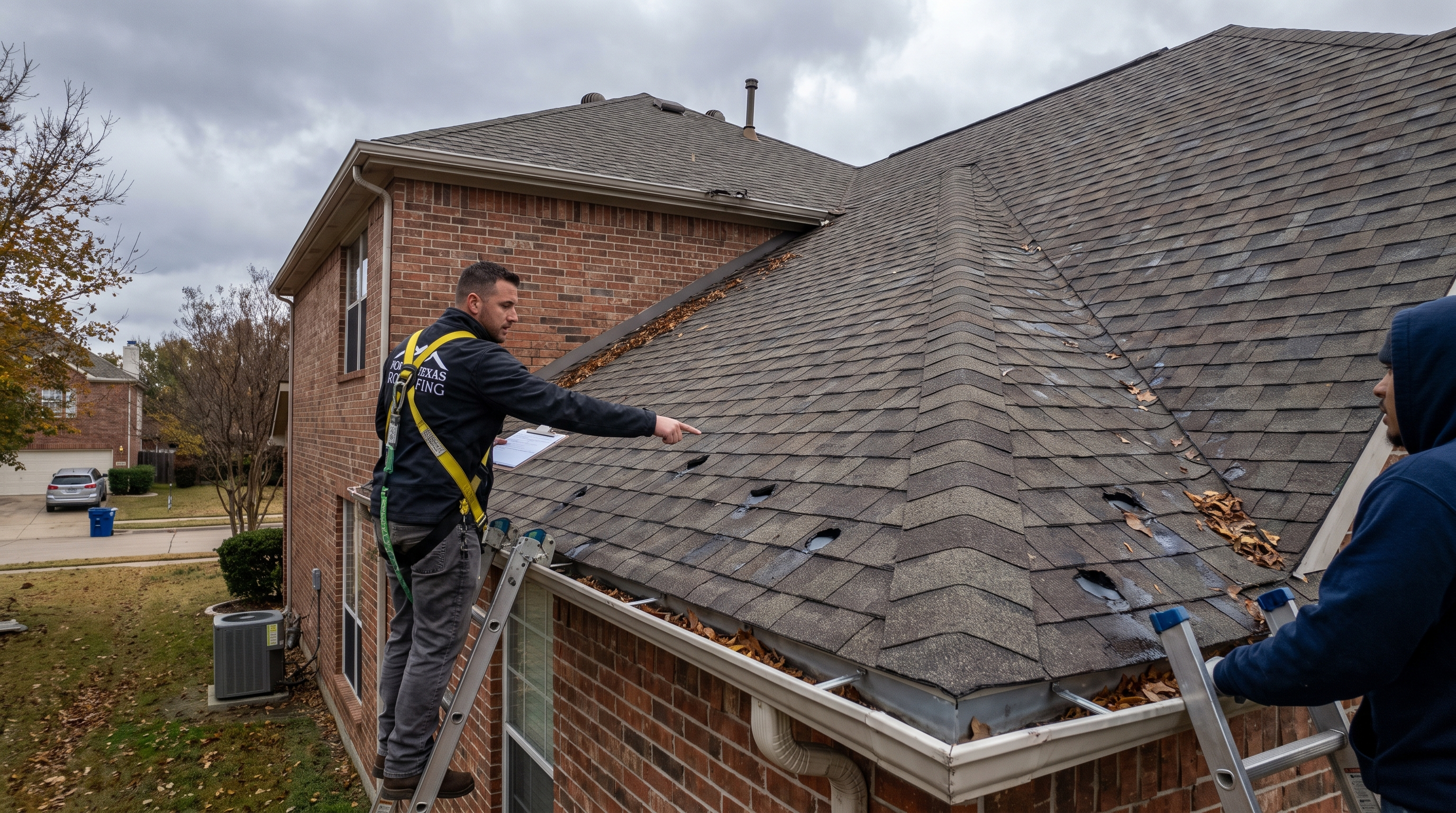
A hail claim in McKinney is part roofing project and part documentation project. The contractor needs to identify functional shingle damage, dented soft metals, compromised ridge caps, gutter impact marks, and code items that the first carrier estimate may miss.
Homeowners in Collin County often deal with State Farm, USAA, Farmers, Allstate, Travelers, and other major carriers after a hail event. Claim amounts range from $8,500 to $22,000 for many hail roof replacements in Collin County, so a rushed inspection can cost real money. Supplement negotiation is normal when the initial scope leaves out required line items, steep pitch factors, tear-off details, or damaged metal components.
The right contractor keeps the process organized: inspection first, claim filing with adjuster coordination, material selection, roof replacement, warranty paperwork, and final documentation for release of recoverable depreciation when the policy allows it.
More about us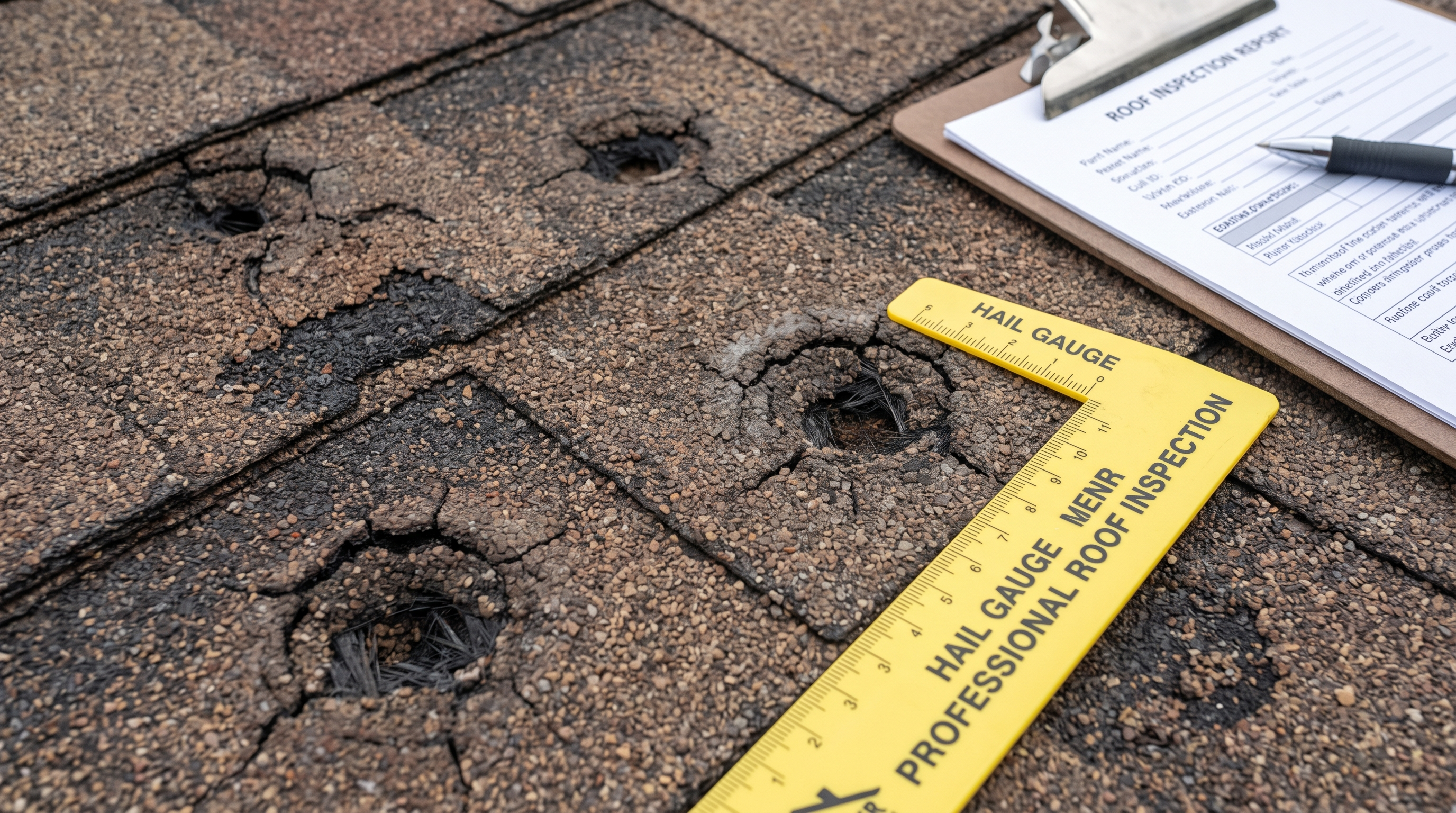
Hail damage often affects more than shingles. These services cover the inspection, claim, roof system, gutters, and metal components McKinney homeowners need reviewed after a storm.
A no-cost roof inspection checks shingles, ridge caps, vents, gutters, flashing, and storm direction before you decide whether to file a claim.
Learn more →A detailed assessment separates functional hail damage from age, blistering, foot traffic, tree rub, and other non-storm conditions.
Learn more →Claim assistance helps homeowners document the storm, coordinate the adjuster visit, review the estimate, and handle supplements when the first scope is short.
Learn more →Full roof replacement removes hail-damaged roofing and installs a complete system with shingles, underlayment, flashing, ventilation, ridge, and warranty paperwork.
Learn more →Gutter replacement addresses hail dents, split seams, pulled fasteners, damaged downspouts, and drainage problems tied to storm claims.
Learn more →Metal component repair covers hail-dented vents, flashing, pipe jacks, caps, chimney metal, valley metal, fascia, and other roof accessories.
Learn more →McKinney Hail Roof Replacement serves McKinney and nearby Collin County communities, including Allen, Frisco, Prosper, Celina, and Anna. This service area follows the fast-growing corridor north of Dallas where newer subdivisions, open lots, and repeated spring storms create steady hail claim activity.
A home near central McKinney, a larger Frisco or Prosper property, a newer Celina build, an established Allen neighborhood, or a roof outside Anna can all take different hail patterns from the same storm cell. Local inspection should account for roof age, shingle type, slope, wind direction, tree cover, and whether the damage lines up with a verified storm date.
See all service areas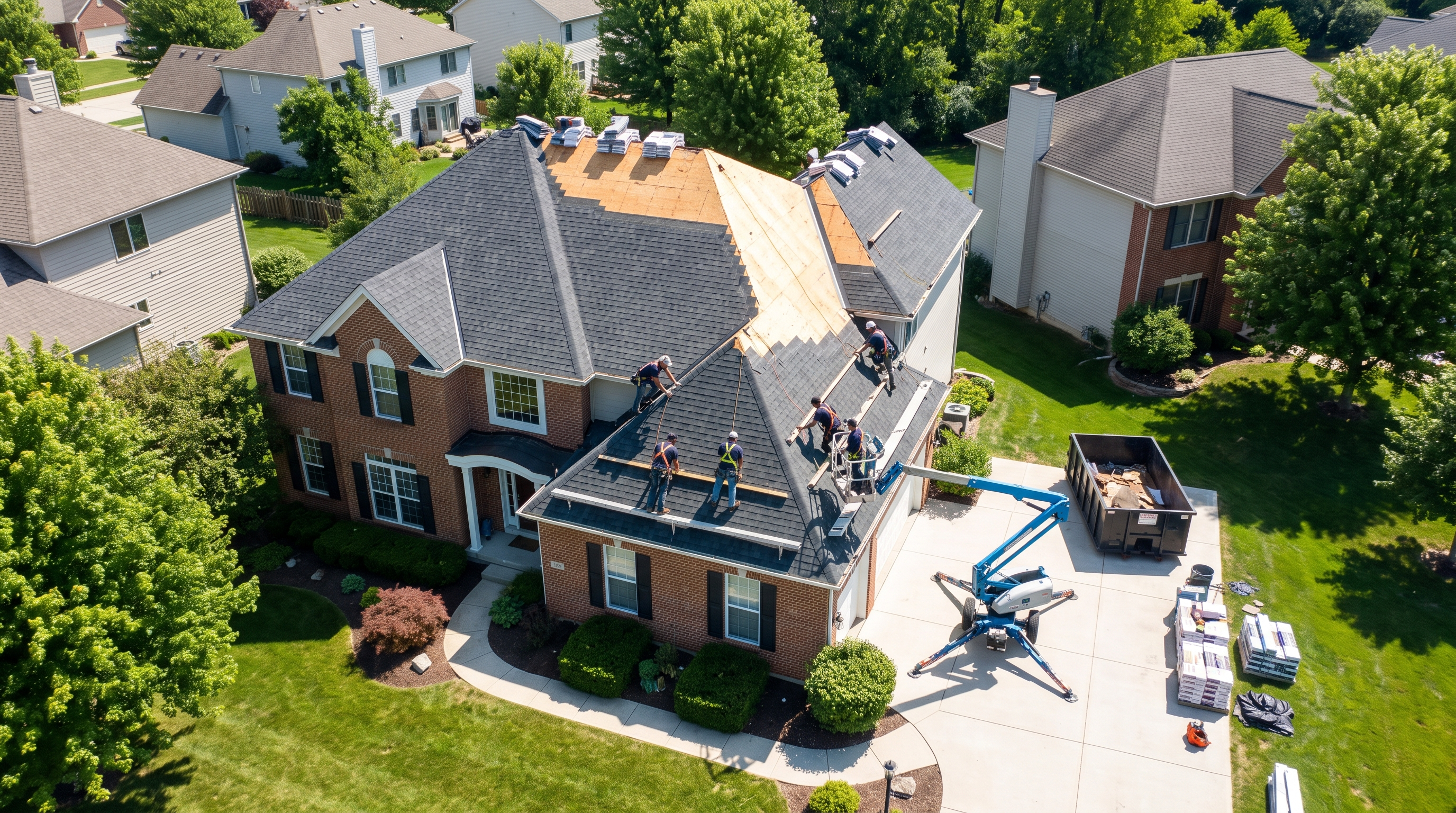
Carriers check hail reports and weather data before approving a roof claim. A contractor inspection can connect the roof damage to a specific McKinney or Collin County storm date instead of treating the roof as normal age-related wear.
Hail damage has to be checked on the roof surface. Inspectors look for bruised shingle mats, missing granules in impact patterns, fractured ridge caps, dented vents, marked gutters, and damage on windward slopes.
State Farm, USAA, Farmers, Allstate, Travelers, and other carriers use their own claim processes. A storm contractor can meet the adjuster, show documented hits, review the estimate, and request supplements for omitted roof or metal items.
Material selection matters in Hail Alley. Homeowners can review shingle class, ventilation, underlayment, flashing, gutters, and warranty paperwork before the full replacement begins.
A roof inspection gives the best answer. Hail can bruise the asphalt mat under the granules, dent roof vents, flatten ridge caps, and mark gutters without creating an immediate leak. McKinney homes with architectural shingles often show granule loss and soft impact spots after spring storms.
Many Collin County hail roof replacement claims settle between $8,500 and $22,000. The final amount depends on roof size, pitch, shingle type, layers, code items, gutters, metal components, and the carrier's approved scope. With standard homeowner's insurance, many approved hail claims leave the homeowner responsible for the deductible.
The standard process is free inspection, claim filing with adjuster coordination, material selection, and full replacement with warranty documentation. The inspection should happen before filing so you know whether functional damage exists and have photos ready for the adjuster.
Use a contractor with the proper licensing, registration, insurance, and trade credentials for the work being performed. The referral process is meant to connect homeowners with qualified contractors who can handle storm documentation, code-related items, and roof system installation without cutting corners.
Yes. Functional hail damage often reduces shingle life before a leak appears. Insurance carriers review hail bruising, granule displacement, mat damage, and metal impacts because those conditions can weaken the roof even when the ceiling is still dry.
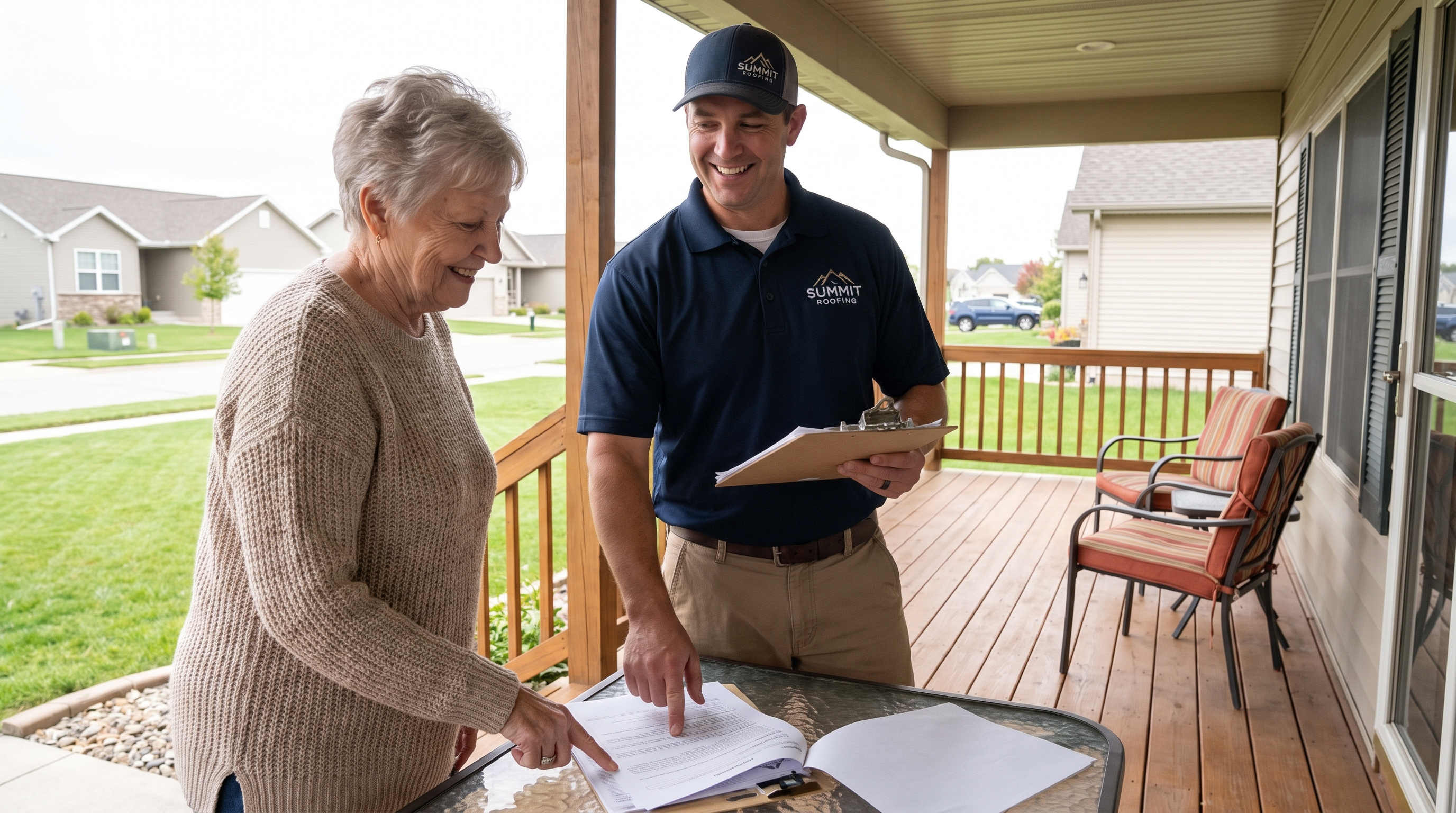
Free inspection. No obligation. Most storm damage checks can be scheduled soon after a McKinney hail event.
Free — no obligations